At MASS MoCA, I noticed something that still stays with me. People love to watch artists install. They linger. They lean in. They take photos of ladders and scattered tools and half-finished walls. It’s not the polish that excites them, but the process—the sense that something is unfolding before their eyes.
There’s an electricity in that in-between space, when a work is not yet fixed in its final form. You can feel the artist thinking, adjusting, failing, and trying again. It’s alive in a way that a completed exhibition rarely is. Watching an installation is like standing beside someone in the act of becoming.
We live surrounded by finished products: smooth interfaces, perfect lighting, art that has already been declared art. But I find myself increasingly drawn to the unfinished, the open, the slightly chaotic. A polished show, tucked in and sealed tight, can start to feel like a closed system—a museum of taste rather than a field of experiment.
I like exhibitions that make room for the unresolved. That don’t apologize for the tape on the floor, or the rough edge, or the fact that something didn’t quite work. Because that’s what life feels like right now. The world is in process. We are all improvising, balancing on the edge of attention, time, and money. Why should our art pretend otherwise?
Maybe the zeitgeist isn’t about refinement but about trying—about allowing ourselves to fail publicly, to stay in motion, to let things breathe. Maybe art can reflect our times not through control but through vulnerability, through a willingness to be seen while still becoming.
There’s a kind of generosity in that. A show that admits its own uncertainty invites us in differently. It says: I’m just searching. It asks us to join in on the journey. It doesn’t provide us any answers.
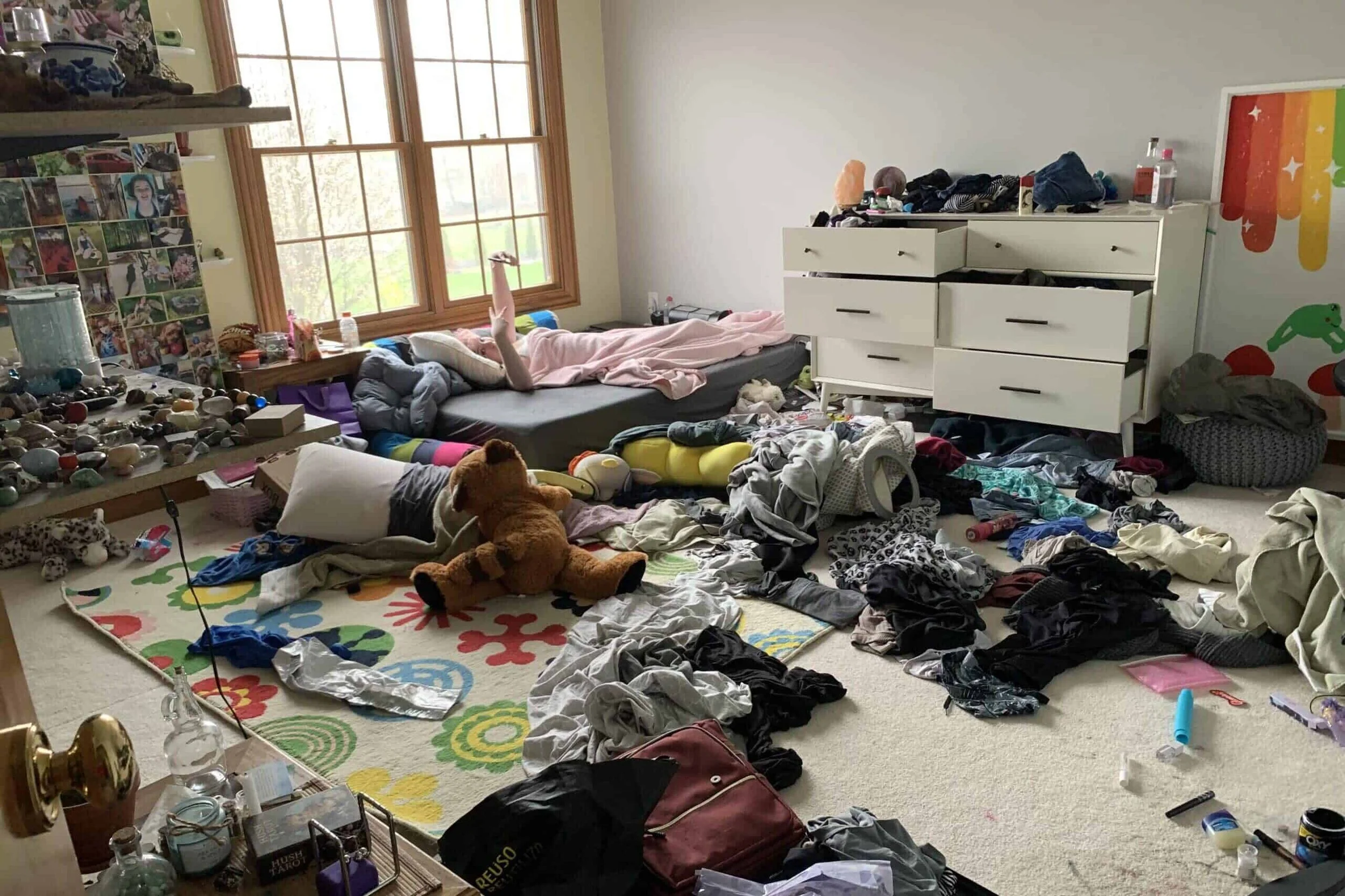
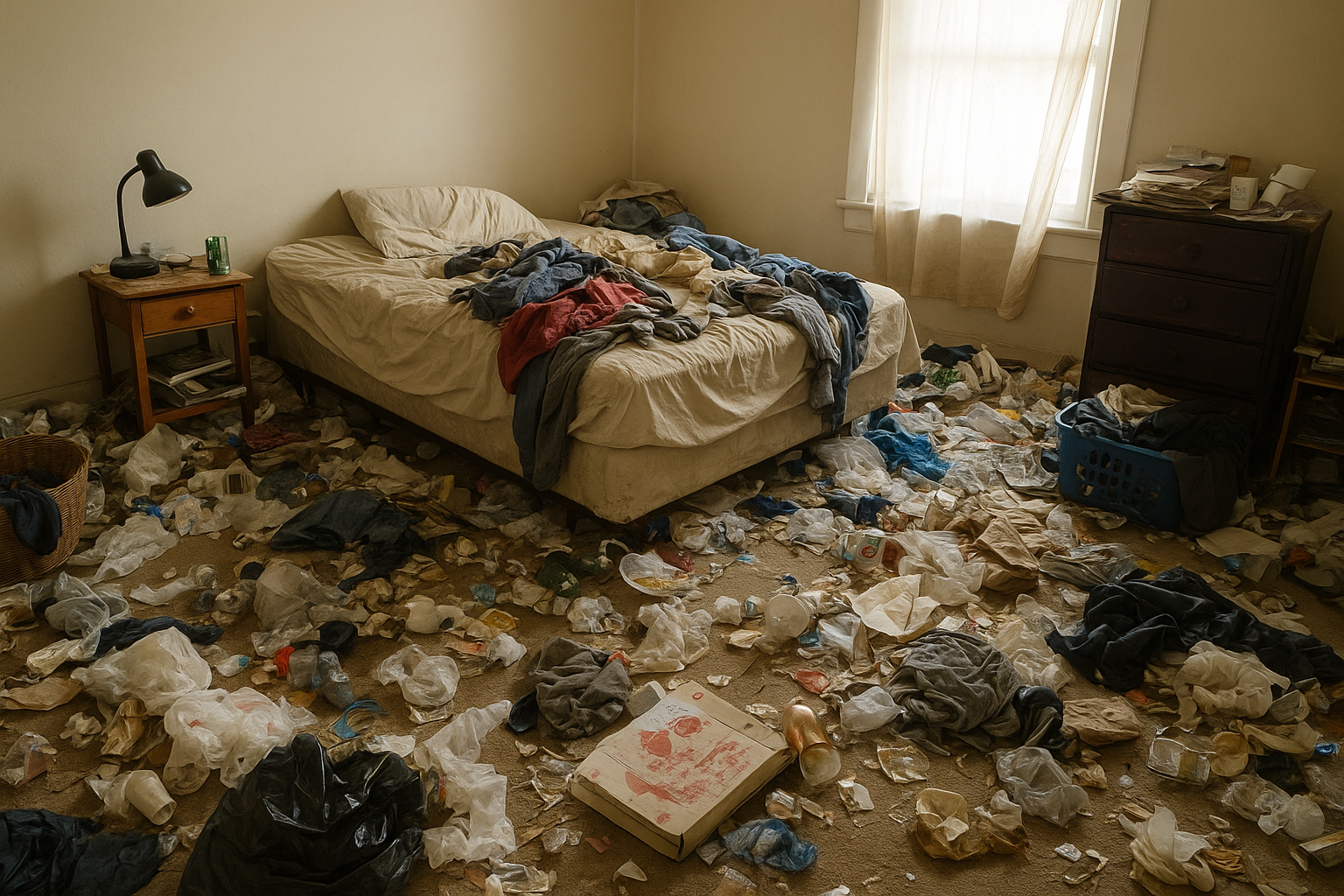
The mess is where the meaning is. The mess is where the real work happens. It’s the evidence of thinking, of feeling, of testing the limits of form and patience. It’s the human trace that polish erases.
I think of exhibitions not as conclusions but as propositions—experiments in behavior and being, moments of shared risk. The most exciting spaces I’ve seen lately aren’t about mastery at all. They’re about becoming.
So here’s to the mess: to the paint still drying, the label half-written, the sculpture that needs to be pushed three inches to the left. Here’s to art that shows its seams and lets the audience witness the work of trying. Because in a world where so much feels precarious, maybe the most radical gesture we can make is to stay visible in our uncertainty—to make a mess, and keep making.